

Gaming Regulation AI: The Smart Way to Adapt

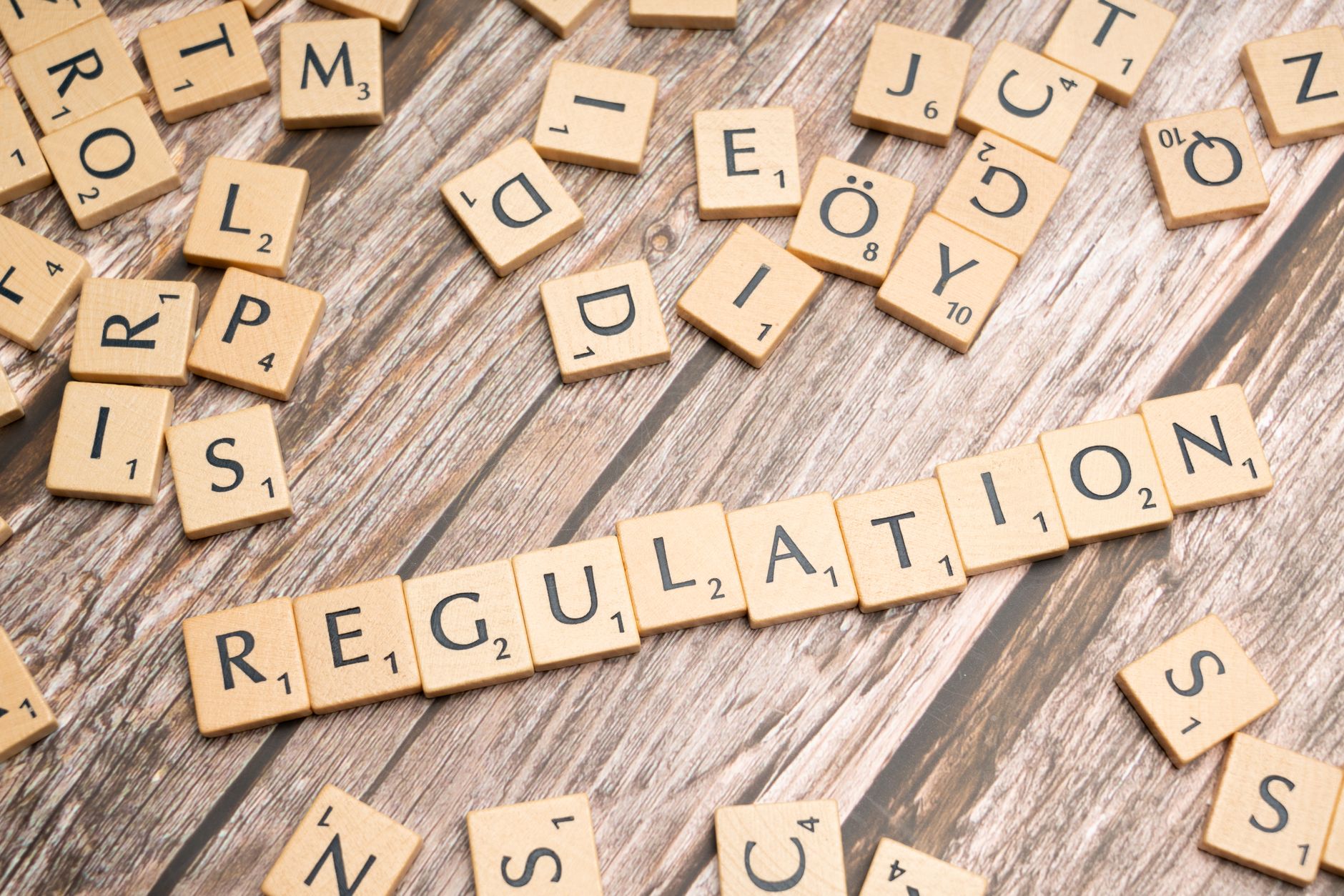
Gaming regulation AI is becoming increasingly important as the industry evolves. PAGCOR emphasizes the need for regulators to adapt to the rapid changes brought by artificial intelligence.
The Role of AI in Gaming Regulation
The integration of artificial intelligence (AI) into gaming regulation is becoming increasingly essential as the industry evolves. Regulatory bodies, such as the Philippine Amusement and Gaming Corporation (PAGCOR), are recognizing the importance of adapting gaming regulation to keep pace with technological advancements.
AI offers several benefits that can enhance the effectiveness of gaming regulation:
- Data Analysis: AI can process vast amounts of data quickly, identifying patterns and trends that may indicate irregularities or potential issues within gaming operations.
- Real-time Monitoring: With AI, regulators can monitor gaming activities in real time, allowing for immediate interventions when necessary to ensure compliance with regulations.
- Enhanced Security: AI technologies can bolster security measures, making it more difficult for fraudulent activities to occur and protecting both operators and players.
As gaming regulation continues to evolve, leveraging AI will be crucial for creating a robust regulatory framework that adapts to new challenges and innovations in the gaming industry.
Current Trends in Gambling Legislation
The landscape of gambling legislation is rapidly evolving, driven by technological advancements and changing consumer behaviors. As the industry adapts to these shifts, several key trends have emerged in gambling regulation.
- Increased Focus on Consumer Protection: Regulators are emphasizing measures to ensure player safety and responsible gaming practices. This includes implementing stricter age verification processes and promoting tools for self-exclusion.
- Integration of Technology: Many jurisdictions are beginning to incorporate technology into their regulatory frameworks. This includes the use of gaming regulation AI to monitor gaming activities and detect potential fraud or problem gambling behaviors.
- Cross-Border Collaboration: As online gambling transcends borders, regulators are recognizing the need for international cooperation. This collaboration helps to harmonize regulations and combat illegal gambling operations.
- Transparency and Accountability: There is a growing demand for transparency in how gaming operators are regulated. This includes clearer reporting requirements and accountability measures to ensure compliance.
Challenges Facing Regulators Today
As the gaming industry continues to evolve with the rapid advancement of technology, regulators face a multitude of challenges. One of the most pressing issues is the integration of AI into gaming regulation. While AI offers promising tools for monitoring and compliance, it also presents complexities that regulators must navigate.
Among these challenges are:
- Data Privacy: Ensuring that the use of AI respects player privacy and complies with data protection laws.
- Technological Adaptation: Regulators must stay abreast of the latest AI developments to effectively oversee their implementations in gaming.
- Risk of Manipulation: There is a constant threat of AI systems being exploited by malicious actors, necessitating robust safeguards.
- Consumer Protection: Balancing innovation with the need to protect vulnerable players from potential harm associated with AI-driven gaming features.
Finding solutions to these challenges is crucial for creating a regulatory framework that accommodates the benefits of AI while ensuring a fair and safe gaming environment.
PAGCOR’s Vision for the Future
PAGCOR, the Philippine Amusement and Gaming Corporation, has outlined its vision for the future of gaming regulation in the age of artificial intelligence. As the landscape of gaming evolves, PAGCOR emphasizes the necessity of adapting regulatory frameworks to integrate gaming regulation AI. This approach aims to not only enhance operational efficiency but also to ensure player protection and fair play.
The agency believes that leveraging AI technology can lead to improved monitoring systems, helping regulators identify irregularities and potential risks in real time. To achieve this, PAGCOR has planned a series of initiatives that focus on:
- Collaborative partnerships with tech companies to develop advanced AI tools.
- Ongoing training for staff to understand and utilize AI capabilities effectively.
- Public awareness campaigns to educate stakeholders about the benefits of AI in gaming regulation.
Through these efforts, PAGCOR aims to create a safer and more responsible gaming environment, ensuring that regulation keeps pace with technological advancements.
Adapting to Technological Advancements
As gaming technology continues to evolve, adapting to technological advancements becomes paramount for regulators. The integration of AI in gaming regulation not only enhances compliance but also improves the overall player experience. Traditional regulatory frameworks often struggle to keep pace with rapid technological changes, leading to gaps that can be exploited.
To effectively navigate this landscape, regulators must:
- Embrace innovation: Accepting AI tools can streamline processes and provide valuable insights into gaming behaviors.
- Foster collaboration: Engaging with tech developers ensures that regulations reflect the realities of new gaming technologies.
- Prioritize consumer protection: Using AI to monitor gaming activities can help mitigate risks and promote responsible gambling.
- Stay informed: Continuous education on emerging technologies will empower regulators to make informed decisions.
By prioritizing these strategies, gaming regulation can evolve in tandem with technological advancements, ensuring a fair and safe gaming environment for all stakeholders.
Best Practices for Regulation
As the gaming industry continues to evolve with advancements in technology, implementing best practices for regulation is essential to ensure fair play and consumer protection. Gaming regulation AI offers innovative solutions that can streamline compliance and enhance oversight. Here are some best practices that regulators can adopt:
- Data-Driven Decision Making: Utilize AI to analyze vast amounts of data, identifying patterns and trends that inform regulatory decisions.
- Real-Time Monitoring: Implement AI systems for continuous surveillance of gaming activities, allowing for immediate detection of irregularities.
- Collaboration with Stakeholders: Engage with industry players, technology firms, and consumer groups to develop comprehensive regulatory frameworks.
- Regular Training and Updates: Ensure that regulatory bodies stay informed about the latest advancements in AI and gaming technologies through ongoing education.
- Transparent Communication: Foster open dialogue between regulators and the public to build trust and understanding of regulatory practices.
By following these practices, regulators can better navigate the complexities introduced by AI in gaming.
The Impact of AI on Fair Play
The integration of artificial intelligence in gaming regulation is reshaping the landscape of fair play in the gambling industry. As technology advances, concerns regarding fairness and transparency are paramount. AI offers innovative solutions to monitor and manage gaming environments, ensuring compliance with regulations and promoting responsible gaming.
Key impacts of AI on fair play include:
- Enhanced Monitoring: AI systems can analyze vast amounts of data in real-time to detect irregular patterns and potential cheating.
- Personalized Player Protection: Advanced algorithms can identify at-risk players and provide tailored interventions, promoting safer gambling practices.
- Automated Compliance: AI can streamline regulatory processes by automatically ensuring that gaming operations adhere to established guidelines.
As regulators grapple with the challenge of keeping pace with rapid technological advancements, the role of gaming regulation AI becomes increasingly vital. This evolution not only improves the integrity of the gaming experience but also fosters trust between players and operators.
As the gaming industry evolves, the implementation of gaming regulation AI can help ensure compliance with ever-changing laws. By integrating gaming regulation AI into their operations, companies can streamline their processes and reduce the risk of non-compliance.
Photo by Markus Winkler on Pexels
Where this came from
You might also like
- Zverev Shelton US Open final: The Best Match to Watch Live
- Bayern Munich Dominant Win: The Quick Highlights
- Tamil vs PAN Playing XI: What’s the Best Strategy?
Gaming regulation AI is crucial for the future of fair gaming practices.