

Honda MotoGP title: Is it the Right Choice for Riders?

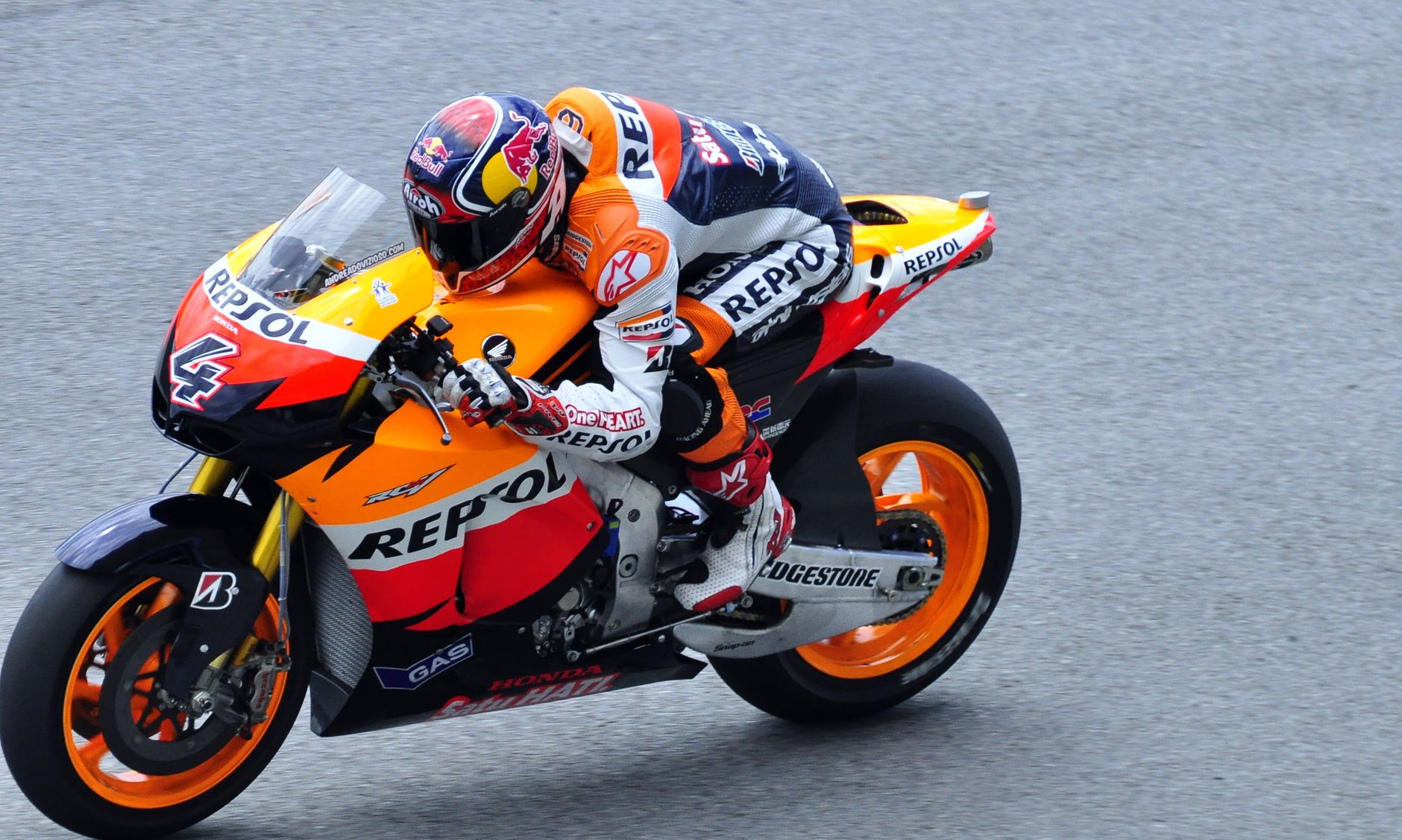
Honda MotoGP title has been highlighted by Casey Stoner as a significant achievement in his career. Stoner’s remarks come in light of recent criticisms regarding Ducati.
Casey Stoner’s Career Highlights
Casey Stoner, a two-time MotoGP World Champion, is widely regarded as one of the sport’s greatest riders. His career is marked by several significant milestones that showcase his exceptional talent and determination.
- 2007 Championship Victory: Stoner claimed his first title with Ducati, a remarkable achievement that established him as a top competitor in MotoGP.
- 2008 Success: He defended his title with an impressive performance, demonstrating his ability to adapt and excel under pressure.
- Move to Honda: In 2011, Stoner made the pivotal transition to Honda, where he secured his second championship, solidifying the brand’s dominance in the sport.
- Retirement: Stoner retired in 2012, leaving a legacy of speed and skill, and remains an influential figure in MotoGP discussions.
Reflecting on his career, Stoner emphasized the importance of the Honda MotoGP title, suggesting that success with the brand can enhance a rider’s reputation and legacy in the competitive racing world.
The Role of Ducati in MotoGP
The competitive landscape of MotoGP has been significantly influenced by Ducati, especially during the years when Casey Stoner dominated the series. Stoner’s transition from Ducati to Honda highlighted the challenges faced by riders in securing a title with different manufacturers.
Ducati has made substantial strides in technology and performance, making it a formidable competitor on the track. In recent years, their bikes have been praised for their speed and handling, attracting top talent in the sport. However, the pursuit of the Honda MotoGP title remains a coveted goal for many riders.
Several current and former riders have noted the differences between the two brands, emphasizing how Honda’s reputation for reliability and consistency can influence a rider’s decision. Some of the key factors include:
- Performance: Honda’s engineering has consistently delivered winning bikes.
- Support: The factory team offers robust support and resources.
- Legacy: The prestige of competing for the Honda MotoGP title attracts riders seeking to make their mark.
As the championship progresses, the rivalry between Ducati and Honda continues to shape the future of MotoGP.
Importance of Winning Titles
The pursuit of victory in MotoGP is not solely about personal achievement; it reflects the prestige and credibility of the manufacturer. For many riders, securing a Honda MotoGP title is a defining moment in their careers, as it symbolizes their ability to excel at the highest level. The pressure to win titles can be immense, driven by team expectations and fan support.
Winning a championship offers several advantages:
- Career Advancement: A title can significantly elevate a rider’s career, opening doors to better contracts and sponsorships.
- Manufacturer Reputation: Success enhances the reputation of the brand, attracting new talent and investment.
- Personal Fulfillment: For many riders, winning is a lifelong dream, providing a sense of accomplishment and validation.
Casey Stoner, a key figure in MotoGP history, emphasizes that the Honda MotoGP title is not just a trophy; it’s a testament to a rider’s skill and determination amidst fierce competition. Thus, the value of winning titles cannot be underestimated in the world of motorcycle racing.
Criticism and Its Impact
In the world of MotoGP, the pursuit of the Honda MotoGP title has often faced scrutiny from both fans and critics. Many believe that while the brand offers competitive machinery, it comes with unique challenges that can affect a rider’s performance and career trajectory.
Criticism mainly stems from the perception that Honda’s aggressive racing style may not suit every rider. Some have argued that this can lead to a high-pressure environment, which might hinder a rider’s ability to adapt and perform. As Casey Stoner pointed out, the importance of the Honda MotoGP title should not be underestimated, yet it is crucial to consider how external opinions can shape public perception and rider confidence.
Moreover, criticism can create an atmosphere of doubt, making it difficult for riders to focus on their performance. In a sport where mental fortitude is as vital as technical skill, the impact of such negativity cannot be overlooked. Ultimately, while the allure of the Honda MotoGP title is significant, the journey to achieve it may be fraught with challenges that demand resilience and adaptability from riders.
Honda’s Legacy in MotoGP
Honda has long been a dominant force in the world of MotoGP, with a legacy that stretches back decades. The brand’s commitment to engineering excellence and racing innovation has positioned it as a favorite among riders and fans alike. Over the years, Honda’s motorcycles have consistently showcased cutting-edge technology and performance, earning numerous championships and accolades.
Many riders aspire to secure a Honda MotoGP title, viewing it as a pinnacle achievement in their careers. The allure of riding for Honda is not just about the machine; it also includes joining a storied lineage of champions. Riders like Marc Márquez and Casey Stoner have benefited from Honda’s robust support system and technical expertise, contributing to their successful careers.
However, the pressure to deliver results can be intense. As Stoner pointed out, the expectations that come with Honda’s reputation can lead to criticism if performance does not meet fans’ and sponsors’ demands. This reality raises questions about whether choosing Honda remains the best path for aspiring MotoGP riders, given the weight of its legacy.
Photo by Keong Racun on Pexels
References
Related stories
- Nathan Lyon Exclusion: The Honest Truth Behind Mark Waugh’s Views
- Denmark Open: The Right Strategy for Dominating Competition
- Mumbai Ranji fixture: The Best Proven Strategies for Success
Honda MotoGP title is crucial for riders’ reputation and performance in the sport.