

Is the Abu Dhabi missile interception the worst safety concern?

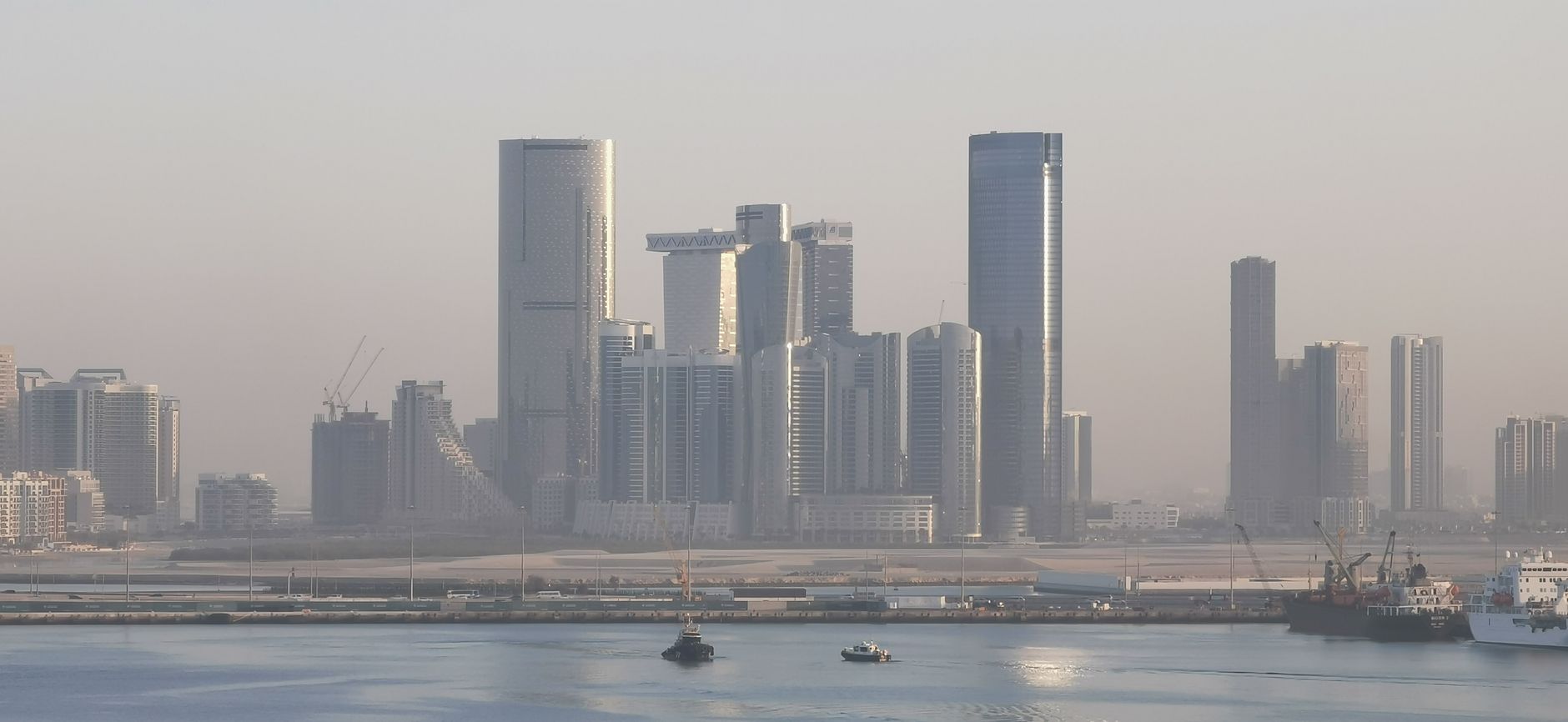
The Abu Dhabi missile interception incident has resulted in injuries to 12 individuals, including five Indian nationals, due to falling debris. This alarming event highlights potential safety issues in the region.
What Happened in Abu Dhabi?
On a recent day in Abu Dhabi, a significant incident unfolded when a missile interception occurred, resulting in injuries to several individuals. The interception was part of a defensive operation aimed at neutralizing a potential threat, but the aftermath raised serious safety concerns.
According to reports, the interception led to debris falling in populated areas, causing injuries to 12 people. Among them were five Indian nationals, highlighting the diverse nature of the community in the capital city of the United Arab Emirates. Authorities responded swiftly to the situation, providing medical assistance to those injured and reassuring the public about their safety measures.
The incident has prompted discussions regarding the effectiveness of current defense systems and the potential risks associated with missile interception operations. Key points of concern include:
- The safety of civilians during military operations.
- The need for enhanced communication from authorities about such events.
- The implications of falling debris in urban environments.
As the investigation continues, many are left questioning whether the Abu Dhabi missile interception is indicative of broader safety concerns within the region, particularly in light of increasing tensions and potential threats.
Details of the Injuries
The recent Abu Dhabi missile interception has raised significant safety concerns following reports of injuries caused by falling debris. Eyewitness accounts and official statements confirm that a total of 12 individuals were injured during the incident, which took place as a missile was intercepted over the city.
Among those affected, five were reported to be Indian nationals, highlighting the international implications of the incident. The injuries varied in severity, with some individuals requiring immediate medical attention. Local hospitals have been placed on high alert to treat those affected, and emergency services responded swiftly to the scene.
Authorities are currently investigating the circumstances surrounding the injuries to ensure the safety of residents and visitors in the area. As the details unfold, several key points have emerged:
- Injury Severity: While most injuries were classified as minor, some individuals suffered more serious wounds requiring hospitalization.
- Response Time: Emergency services quickly mobilized, providing timely assistance to those in need.
- Public Reaction: Many residents expressed concern regarding their safety following the Abu Dhabi missile interception.
As investigations continue, the focus remains on ensuring the well-being of the affected individuals and addressing the broader safety concerns that have arisen from this incident.
Impact on Indian Nationals
The recent Abu Dhabi missile interception has raised significant concerns among the Indian community residing in the UAE. Among the twelve individuals injured due to falling debris, five are confirmed to be Indian nationals, underscoring the potential risks faced by expatriates in the region.
Indian nationals make up a substantial portion of the UAE’s workforce, contributing to various sectors including construction, healthcare, and hospitality. The incident has sparked fears regarding their safety, prompting discussions on emergency preparedness and response protocols in the event of similar attacks in the future.
Families of those affected are understandably anxious, seeking reassurance from authorities about the safety measures being implemented to protect expatriates. Many Indian nationals have expressed their concerns on social media, voicing the need for heightened security and better communication from local government officials regarding potential threats.
In the aftermath of the incident, community leaders have called for increased vigilance and awareness among Indian expatriates, encouraging them to stay informed about safety procedures and emergency contacts. As the situation unfolds, it remains crucial for the Indian government to engage with UAE authorities to ensure the welfare of its citizens living abroad.
As investigations continue, the repercussions of the Abu Dhabi missile interception will likely influence perceptions of safety among Indian nationals in the region.
Response from Authorities
In the wake of the recent Abu Dhabi missile interception, authorities have been swift in their response to the incident. Local officials have held emergency meetings to assess the situation and to ensure the safety of residents and visitors alike. The Abu Dhabi government has emphasized its commitment to maintaining security in the region, reiterating that measures are in place to prevent such incidents from occurring in the future.
Officials from the Ministry of Interior stated, “We are fully cooperating with our defense forces to analyze the circumstances surrounding the missile interception and its aftermath.” They have also assured the public that an investigation is underway to determine how debris from the intercepted missile caused injuries to civilians.
Emergency services were quickly deployed to the affected areas, providing immediate medical assistance to those injured. The authorities have urged anyone with injuries related to the incident to seek medical care promptly.
In light of these events, residents have been advised to remain vigilant and report any suspicious activities. Community leaders are also organizing safety briefings to address concerns and to provide reassurance. As the investigation unfolds, the government continues to engage with the international community to ensure a thorough understanding of the implications of the missile interception.
Safety Measures in Place
In light of the recent Abu Dhabi missile interception, safety measures are under scrutiny as residents and authorities assess the potential risks involved. Ensuring the safety of civilians is paramount, particularly in areas prone to such incidents.
Local authorities have implemented several precautionary measures to mitigate the risks associated with missile threats:
- Early Warning Systems: Advanced radar and satellite systems are now in place to detect incoming threats, allowing for timely alerts to the public.
- Public Awareness Campaigns: Educational programs are being developed to inform residents about safety protocols during missile attacks.
- Emergency Response Drills: Regular drills involving local emergency services ensure that first responders are prepared to act swiftly in the event of an attack.
- Infrastructure Reinforcements: Buildings and public spaces are being evaluated and reinforced to withstand potential impacts from falling debris.
Despite these measures, the recent incident has raised questions about the overall effectiveness of the current safety protocols. Many residents are calling for a review of the existing strategies to address potential vulnerabilities and enhance community resilience against future threats.
As the situation evolves, the importance of robust safety measures becomes increasingly clear in safeguarding the population from any potential fallout related to incidents like the Abu Dhabi missile interception.
Public Reaction to Incident
The recent incident involving the Abu Dhabi missile interception has sparked significant public concern and debate regarding safety in the region. Many residents and expatriates expressed their shock and disbelief over the event, with social media platforms flooded with reactions.
One common sentiment among the public is the fear of future attacks or interception incidents. Many people have shared their worries about the safety measures currently in place and whether they are adequate to handle such threats. Maria Khan, a long-time resident of Abu Dhabi, stated, “This incident has made us all think twice about our safety. We never expected something like this to happen here.”
In addition, there are concerns regarding the impact on tourism and foreign investments, as safety perceptions are crucial for attracting visitors and businesses. John Smith, a business owner, remarked, “If people feel unsafe, they might choose to stay away from Abu Dhabi, which can be detrimental for the economy.”
As the community processes the incident, many are calling for increased transparency from local authorities about the measures being taken to enhance security. The public is eager for reassurance that the risks associated with missile interceptions are being managed effectively to ensure the safety of all residents.
Future Implications for the Region
The recent Abu Dhabi missile interception has raised significant concerns about safety in the region, prompting discussions on the future implications for both local and international communities. As tensions in the Middle East continue to escalate, the threat of missile attacks and subsequent interceptions could become a more frequent reality.
One of the primary implications is the potential for increased military presence and defensive measures
The recent Abu Dhabi missile interception has raised significant questions about the effectiveness of current defense systems. As experts analyze the implications, many are wondering if the Abu Dhabi missile interception truly represents the worst safety concern in the region.
Photo by Glenn Langhorst on Pexels
Sources
- Horoscope Today: The Best Insights for September 4, 2026
- The Evolution of Slots From Classic Reels to Digital Experiences
- Winbox Web Login: A Practical Guide to Accessing the Online Platform
Abu Dhabi missile interception has left 12 injured, including five Indian nationals, raising serious safety concerns.